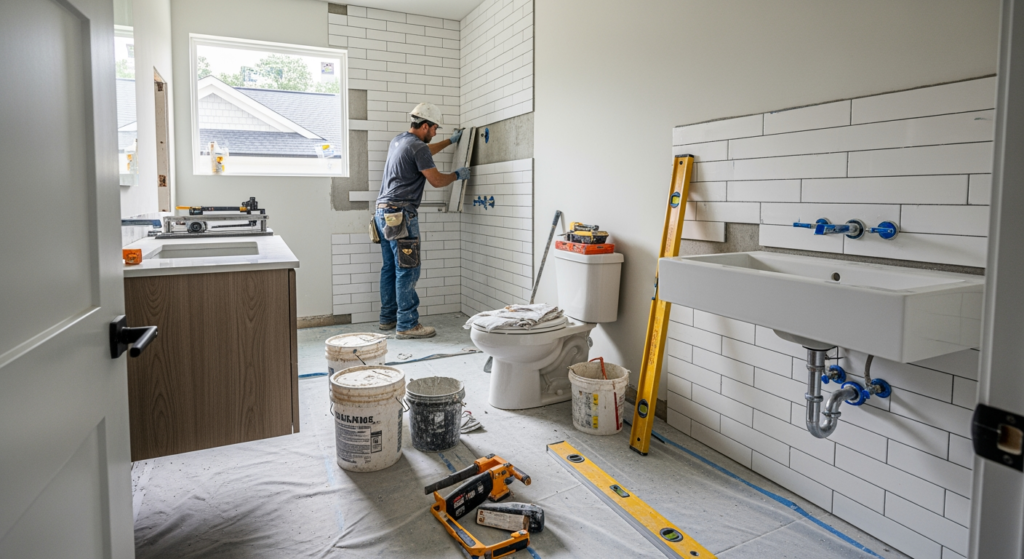
If you’re thinking about a bathroom renovation Athens GA, you’re in the right place. I help homeowners break big projects into simple choices, and I’ve worked with people across the city who want a durable, stylish space that fits their life. For context on our area and demographics, the U.S. Census provides reliable numbers for Athens and Clarke County that help frame renovation trends and investment decisions — I often check the official figures at the U.S. Census Bureau when planning budgets and timelines.
Why renovate your bathroom now
Bathrooms are among the highest-impact rooms to renovate. They improve daily comfort, increase resale value, and can reduce monthly utility bills when you swap old fixtures for efficient models. In Athens, where historic homes sit beside newer builds, updates also help modernize plumbing and electrical systems that haven’t kept pace with today’s needs. Whether you’re aiming to age in place, add a rental-ready finish, or create a small sanctuary, a thoughtful remodel delivers both short- and long-term returns.
Current trends shaping local bathroom projects
Two major trends are changing how people plan bathroom renovations in this area. First, sustainability: homeowners are installing low-flow faucets, dual-flush toilets, and water-efficient showerheads to save water and lower utility bills. Second, smart and accessible design: wall-mounted toilets, zero-threshold showers, and handheld shower systems are popular because they combine comfort with future-proofing.
Style trends lean toward clean, tactile surfaces — large-format porcelain tile, warm neutral palettes, matte finishes, and layered lighting that makes small bathrooms feel more expansive. People in neighborhoods like Downtown and Five Points are blending historic charm with modern fixtures, while newer subdivisions favor streamlined, spa-inspired looks.
How to set a realistic budget and get the best value
Budgeting is where most projects stall, but a clear plan keeps momentum. Start by deciding what to keep and what to replace. Plumbing relocations and structural work are the most expensive items, while cosmetic upgrades like paint, cabinetry refacing, and fixture swaps are lower-cost ways to transform the space.
- Allocate about 20–35% of your total budget for labor and unexpected repairs; older homes often reveal hidden issues.
- Plan for fixtures and finishes early — choosing tile, vanity, and lighting before demolition avoids costly delays.
- Shop warranties and energy-efficient options — long-term savings from reduced water and energy use often justify a higher upfront cost.
Design choices that work well in Athens homes
Athens properties range from historic cottages to modern townhomes. A successful design respects the home’s character while improving functionality. For period homes, consider shaker-style cabinetry, matte black hardware, and subway or penny tile for an authentic-but-fresh look. For newer homes, floating vanities, frameless glass showers, and large-format porcelain tile create a contemporary feel.
Lighting is a small detail with big impact. Layer overhead lighting, task lights at the vanity, and accent lighting near the shower or niches. Proper ventilation is also essential—upgrading an old exhaust fan reduces mold risk and protects paint and fixtures.
Step-by-step renovation timeline you can expect
Understanding the phases helps you plan around daily life. Here’s a typical timeline that I recommend so clients know what to expect and when to make decisions.
- Planning and design (2–4 weeks): finalizing layout, permits, and material selections.
- Demolition and rough-in (1–2 weeks): removing old finishes, updating plumbing and electrical.
- Walls, floors, and fixtures (2–3 weeks): tile, drywall, cabinets, and vanities go in.
- Finishing touches (1 week): trim, paint, mirror and lighting install, final plumbing hookups, and inspection.
Delays can happen when custom cabinets or special-order tiles have long lead times, so lock those decisions early. If you need a fast turnaround, prioritize in-stock materials and flexible layouts that avoid structural changes.
How to choose the right contractor in the city
Finding someone you trust is the most important part of any remodel. I recommend interviews centered on three things: experience with similar projects, clear communication about timeline and costs, and proof of proper insurance and licensing. Ask for recent local references — seeing a finished bathroom in a nearby neighborhood helps you imagine the outcome and confirms the contractor’s workmanship.
Red flags to watch for include vague contracts, large upfront cash-only demands, and resistance to providing a written timeline or warranty. A reliable contractor will outline payment milestones, accept common payment methods, provide an itemized quote, and explain how they’ll handle unexpected issues.
Practical tips to keep the project on track
Renovations test patience, but a few practical moves reduce stress and keep costs down. I’ve learned that clear decisions up front and small conveniences during construction make a huge difference.
- Pack a box of essentials: towels, toiletries, and a mirror so your routine is less disrupted.
- Agree on a single point of contact for daily questions to prevent mixed messages and delays.
- Schedule deliveries around demolition so materials aren’t damaged or lost at the site.
Solutions for common pain points
Older plumbing, limited layout, and small footprints are common headaches in Athens homes. You can often resolve these without tearing down walls. For stubborn layouts, swapping a tub for a walk-in shower or installing a compact corner vanity opens floor space and improves flow. If you’re worried about moisture and mold, an upgraded vent fan and moisture-resistant drywall in wet areas dramatically improve longevity. For accessibility, adding grab bars that match your fixtures and choosing curbless showers create safer environments without a hospital look.
Local considerations specific to Athens GA
Athens-Clarke County’s mix of student housing, long-term homeowners, and short-term rentals creates a range of priorities: durability for rentals, timeless finishes for resale, and accessible features for aging residents. When planning a renovation in neighborhoods like Normaltown or the Prince Avenue corridor, think about cohesive aesthetics that respect nearby historic styles while meeting modern needs. Local contractors are familiar with permit timelines and can advise on drainage, foundation quirks, and other conditions that affect budgets and schedules.
Trending products and technology to consider
These are the items I’m seeing most often in successful projects across the area: matte-finish faucets, large-format waterproof panels in showers, integrated LED mirrors with anti-fog features, temperature-regulating shower valves, and finishes that hide fingerprints and water spots. If sustainability matters to you, look for WaterSense-certified fixtures and low-VOC paints that improve indoor air quality.
What to expect on day one of construction
Demolition day is decisive. Expect noise, dust, and a lot of activity. A good contractor sets up dust barriers, protects floors in adjacent rooms, and shares a daily clean-up plan. I find this reassures homeowners and keeps the site safer. Keep clear communication about parking, site access, and where workers can store materials to avoid surprises in tight residential areas.
When to invest and when to save
Prioritize structural and mechanical upgrades first — plumbing, electrical, and drainage — because these are costly to redo later. Spend strategically on items you’ll use daily, like a quality shower valve, comfortable lighting, and a durable vanity surface. Save on decorative items like towel bars and soap dishes that are easy and cheap to replace later if trends change.
Final checklist before you start
Before demolition begins, confirm these essentials to protect your timeline and budget:
- Permits are approved and on file with the local building department.
- All finish selections are chosen and ordered, including tile, cabinetry, and lighting.
- Payment schedule and scope of work are clearly written into the contract.
- A contingency of at least 10–15% is reserved for unexpected repairs uncovered during demolition.
Wrap up and next steps
Renovating a bathroom in Athens GA is a chance to boost comfort, efficiency, and home value. By focusing on durable materials, energy- and water-saving fixtures, and a contractor who communicates clearly, you can avoid common pitfalls and enjoy a smoother process. If you want a realistic timeline, a prioritized budget, and help matching style to your home’s character, I recommend starting with a site visit and a simple checklist of must-haves versus nice-to-haves. That approach keeps choices manageable and the project moving forward.
If you’re ready to talk through options or get a free estimate from a local team that knows the city, reach out to Tipton’s Fine Tuned Carpentry. I’ve worked alongside their crew on neighborhood projects and appreciate their attention to detail, punctual communication, and commitment to quality that suits Athens homes.